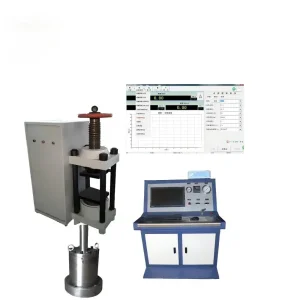
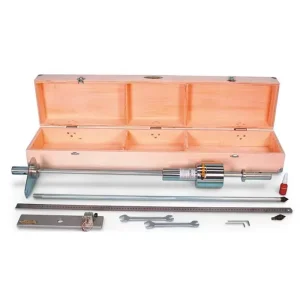
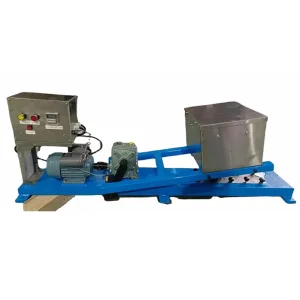
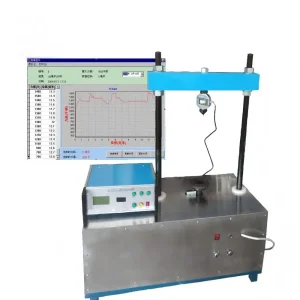
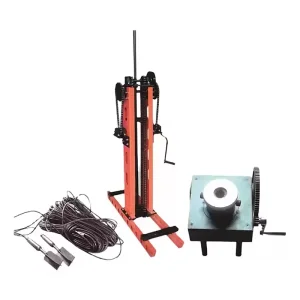
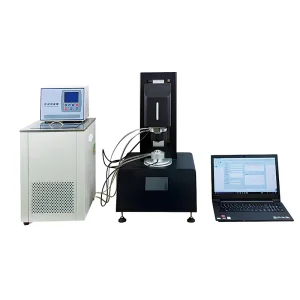
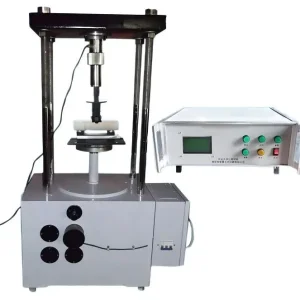
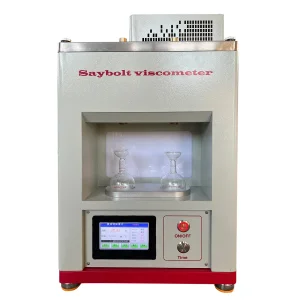
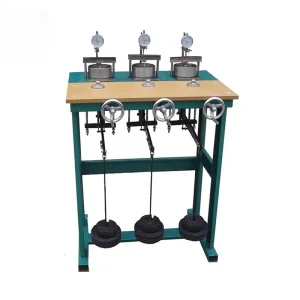
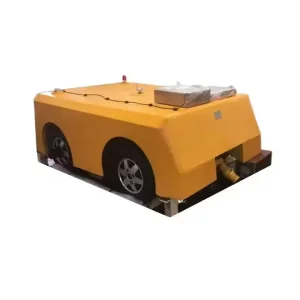
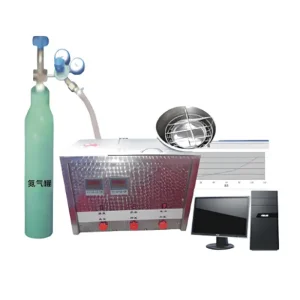
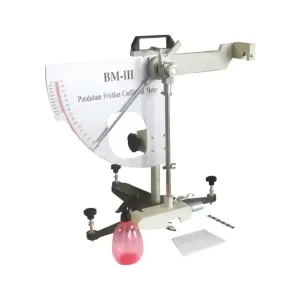
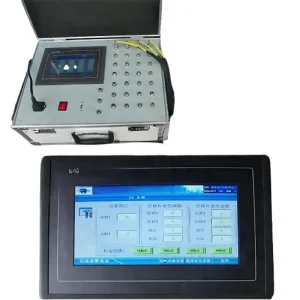
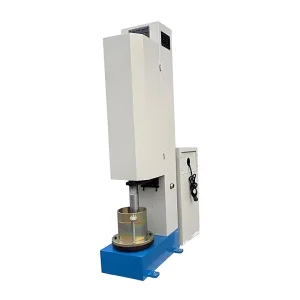
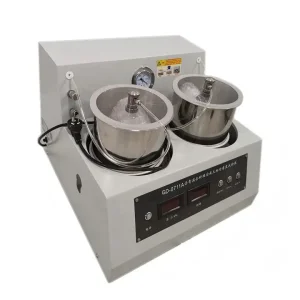
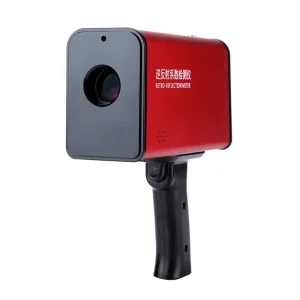
Dispersive soils are a specific class of cohesive soils that undergo a process of spontaneous deflocculation when exposed to relatively pure water. Unlike standard erosive processes, dispersion is a chemical phenomenon driven by the high concentration of exchangeable sodium ions in the soil's pore water. For global infrastructure—specifically earth dams, canal linings, and embankments—the identification of these soils is critical to prevent "piping" or internal erosion failures.
Understanding the Double Layer Theory: How sodium ions increase the repulsive forces between clay particles, leading to suspension in water.
Internal erosion can occur even under low hydraulic gradients, leading to catastrophic failure of hydraulic structures without warning.
Our apparatus adheres strictly to ASTM D4647, providing quantitative and qualitative data on soil erodibility.
The Pinhole Test Method replicates the flow of water through a small crack in the soil mass. A 1.0 mm diameter hole is punched through a compacted specimen, and water is passed through it under varying heads (50mm, 180mm, and 1024mm). The turbidity of the effluent and the final diameter of the pinhole are measured to classify the soil from D1 (Highly Dispersive) to ND4 (Non-Dispersive).
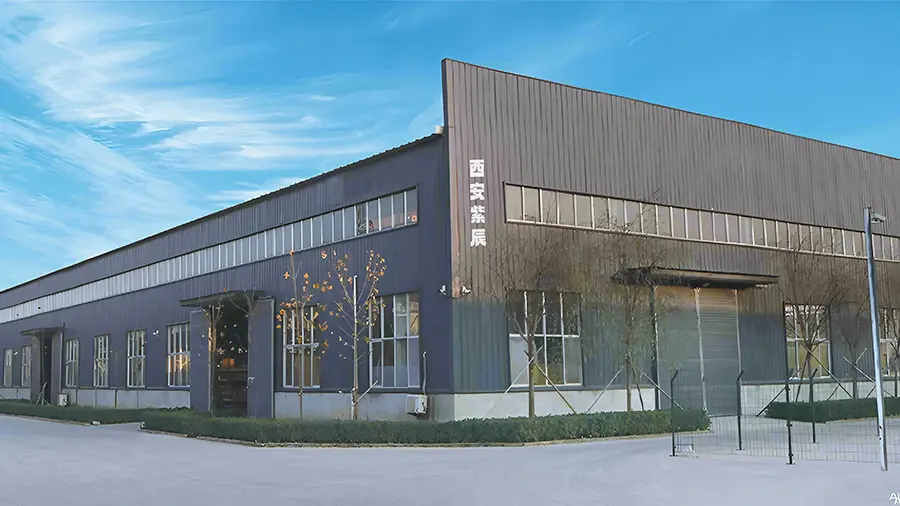
Located in the Xi'an High-Tech Industrial Development Zone, Xi'an Zealchon Electronic Technology Co., Ltd. represents the pinnacle of "Made in China 2025" in the geotechnical sector. Our 7,500 sqm facility integrates CNC machining centers, automated milling, and precision grinding to ensure every Pinhole Test apparatus meets sub-millimeter tolerances.
By leveraging a localized supply chain for high-grade stainless steel and aerospace-grade polymers, we offer 30% faster lead times than European competitors without compromising on the E-E-A-T principles of reliability and expertise.
At Zealchon, we aren't just manufacturing equipment; we are defining the future of geotechnical data. Our technology roadmap includes:
Wholesale buyers and government agencies require more than just a machine. They require a partnership that guarantees:
On-site installation and calibration services across SE Asia, Africa, and the Middle East, ensuring local technicians are ASTM-certified.
Complete documentation packages including CE certification, ISO 9001 quality reports, and ministerial award certifications.
Adapting pinhole test heads for specific soil types or extreme environmental conditions found in tropical or arid regions.
Under the guidance and cooperation of many professors and researchers from Chang'an University Highway College, Air Force Engineering University, and Xi'an University of Technology.
The "Xiya" trademark was rated as a trademark of Shaanxi Province. We introduced technology to develop a series of professional and core technology testing instruments.
Our machines are used world-wide by government agencies, commercial testing laboratories, ready mix producers, contractors and universities.
Machining center, CNC lathe, milling machine, planer, grinder, shearing machine, bending machine, and argon arc welder capabilities.
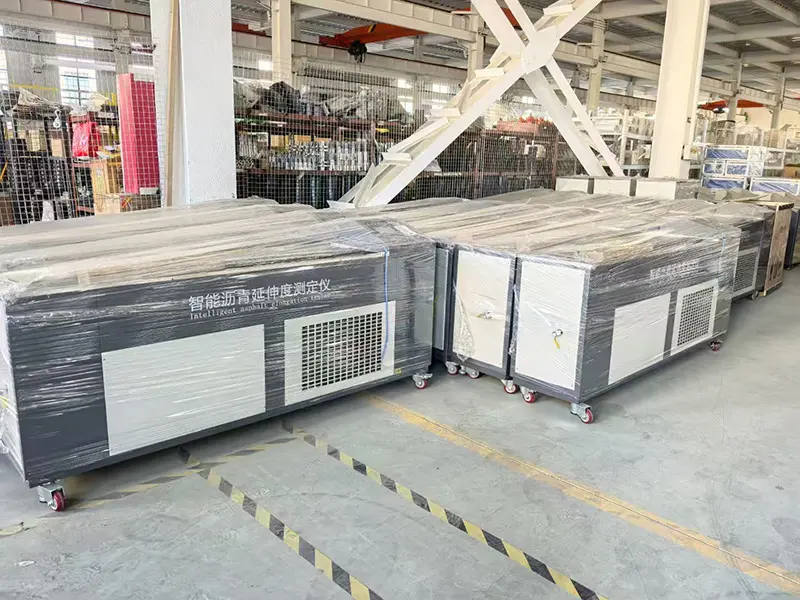
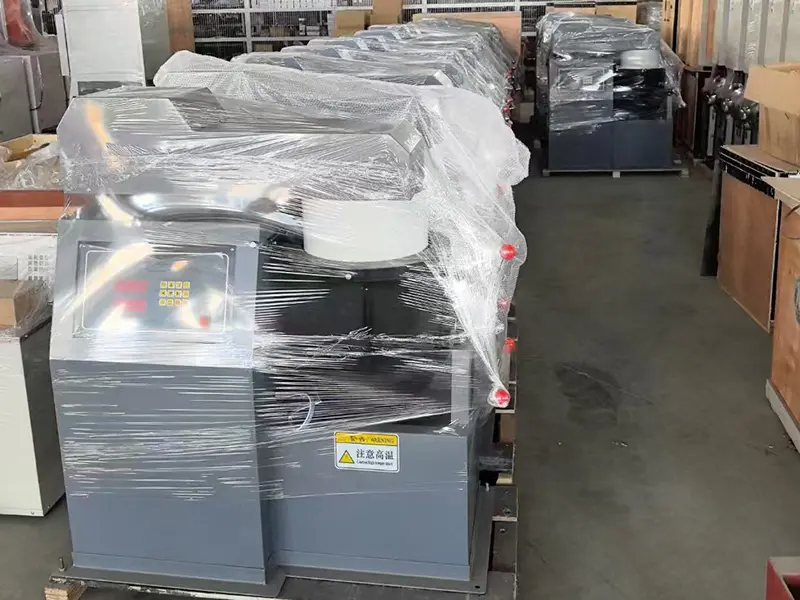
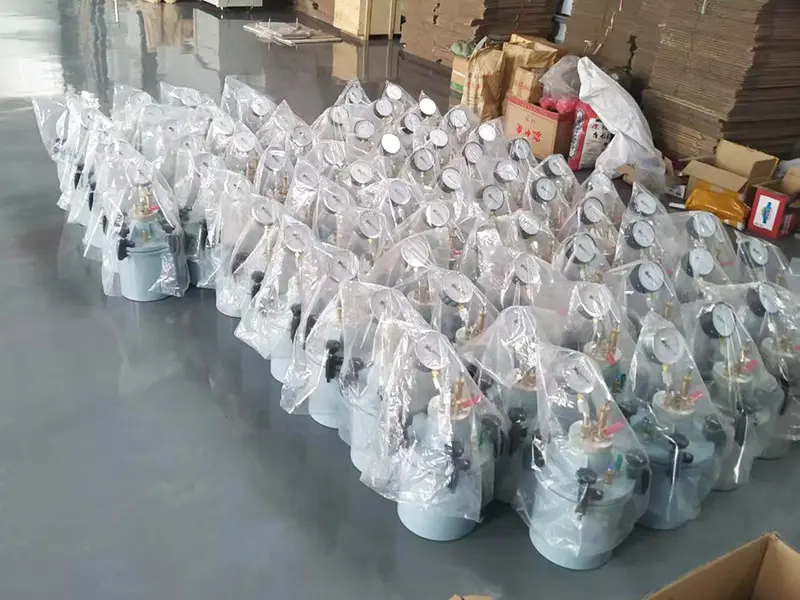
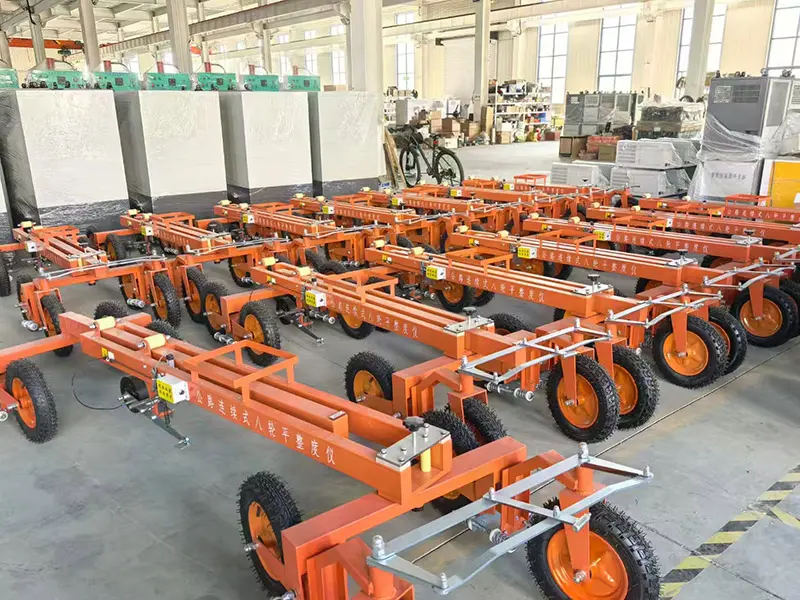
The company keeps up with the pace of national standards, ministerial standards, and industry standards testing. The products are deeply trusted by user units.
"People-oriented, unity and cooperation, pursuit of excellence." Adhering to the corporate purpose of "quality first, honesty and trustworthiness."
The company promises to provide three guarantees for all products sold, craftsman spirit and professional service!
A: While both test for dispersibility, the Crumb Test is a quick field screening method. The Pinhole Test (ASTM D4647) provides a much more rigorous, simulated flow condition that is essential for final engineering design and safety assessments of dams.
A: Yes, but they require chemical treatment (usually with hydrated lime or alum) or strict design controls like sand filters. Our Pinhole Test apparatus is used to verify the effectiveness of these treatments.
A: Absolutely. We have a dedicated global logistics team and provide virtual or on-site training modules for all our geotechnical testing instruments to ensure accurate results for our global partners.
A: The specimen is compacted into a cylinder within the test apparatus to a specified density, usually mirroring the field conditions of the proposed structure, ensuring the laboratory results are representative of real-world scenarios.
 Zealchon Electronic