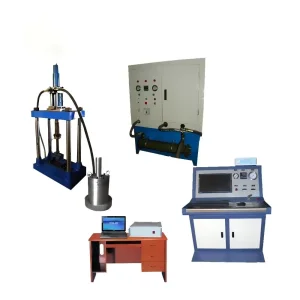
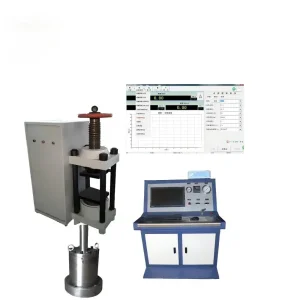
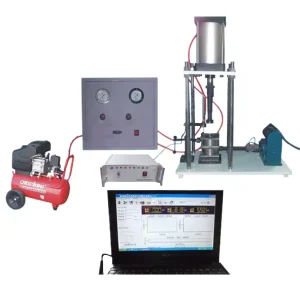
Explore our leading industrial lab instruments engineered to deliver high repeatability and strict standard compliance.
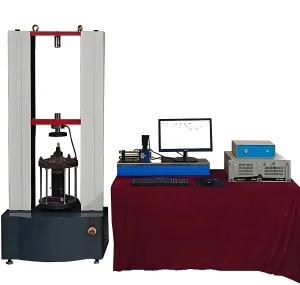
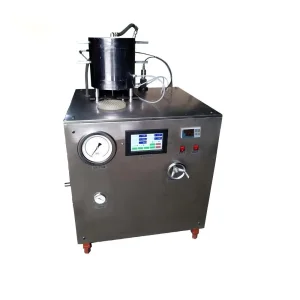
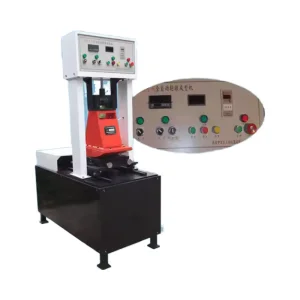
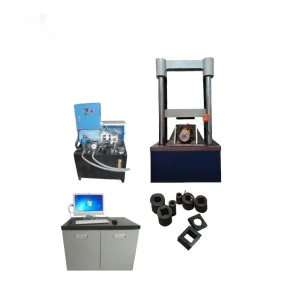
Flash point determination stands as a primary safety indicator in the extraction, processing, and transportation of volatile materials. An Automatic Flash Point Apparatus is highly critical for classifying flammable substances, verifying fuel purity, and ensuring that lubricants satisfy demanding mechanical tolerances.
Refineries, civil engineering testing labs, and independent verification agencies count on customized flash point setups to measure temperature limits precisely, helping to eliminate human error while maximizing throughput. By using advanced closed-cup (Pensky-Martens, Abel, Tag) and open-cup (Cleveland) testing methodologies, our equipment serves as a shield against potential hazards in environments where volatile vapors risk ignition.
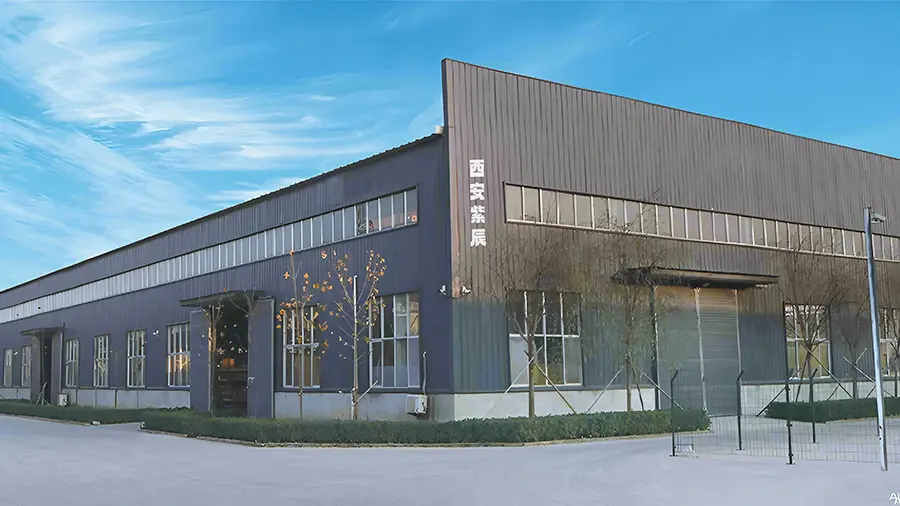
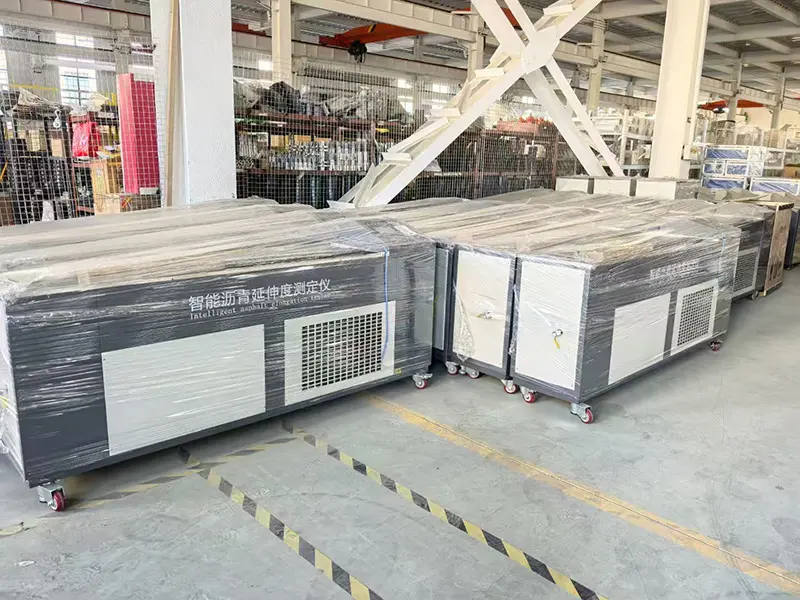
Boasting over 15 years of civil engineering background, Zealchon is situated within the New Technology Industry Development Zone of the historic city of Xi'an, China. We run a modern factory facility covering 7,500 square meters of building area, dedicated to state-of-the-art instrument manufacturing.
We manufacture and supply testing instruments for civil engineering, geological survey, water conservancy, hydropower, highways, railways, and airports. Our technical focus spans across geotechnical testing, asphalt and bituminous mixtures, concrete, and advanced semiconductor laser systems.
Zealchon is committed to manufacturing research-grade laboratory equipment. Supported by a robust network of scientific experts, we ensure every apparatus meets rigorous standards, cementing our place as an industry leader.
How our academic heritage and advanced production equipment back the quality of every unit we ship.
The "Xiya" trademark was rated as a recognized trademark of Shaanxi Province, representing reliable design, high component durability, and international calibration accuracy.
Developed with guidance from professors and researchers at Chang'an University Highway College, Air Force Engineering University, and Xi'an University of Technology to fill technological gaps.
Equipped with CNC machining centers, CNC lathes, milling machines, planers, grinders, bending machinery, and precision argon arc welders to maintain high quality control standards.
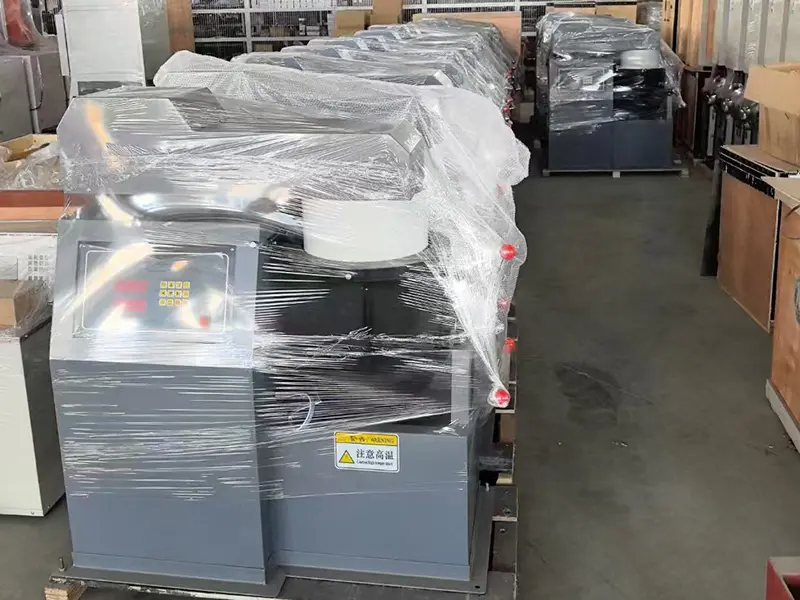
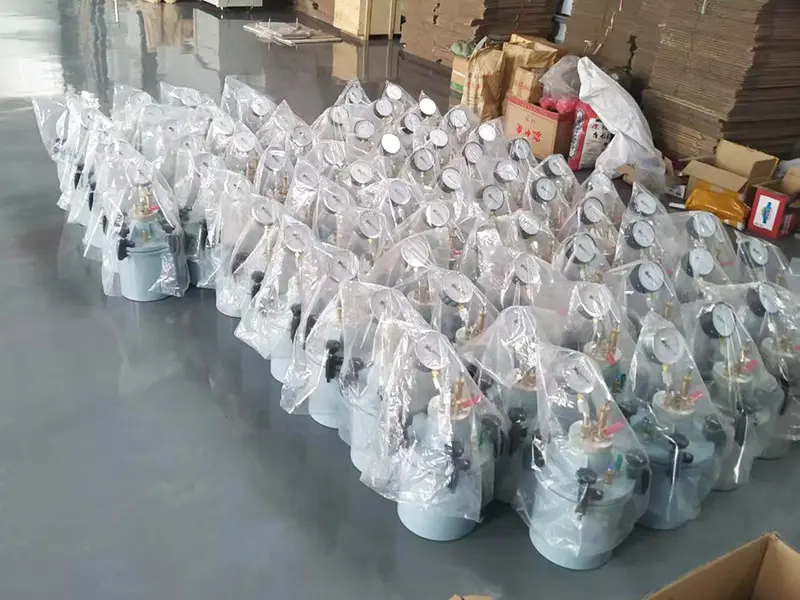
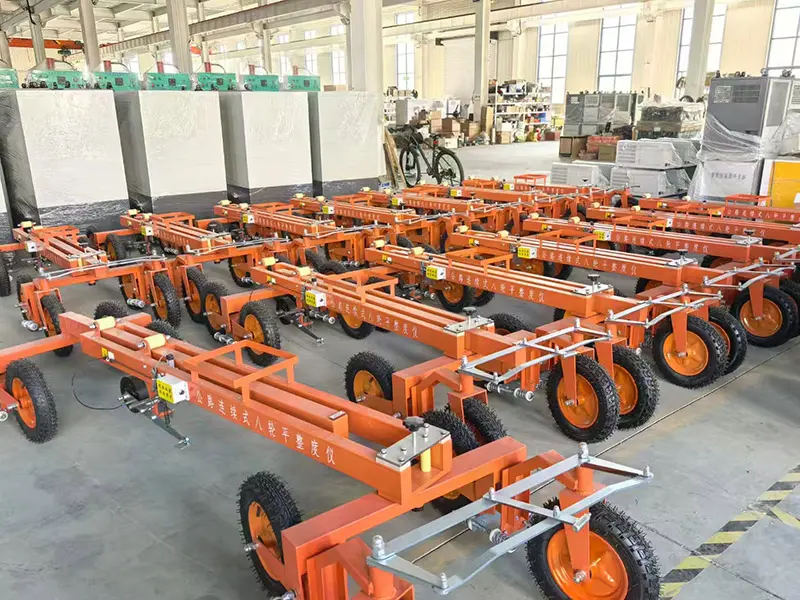
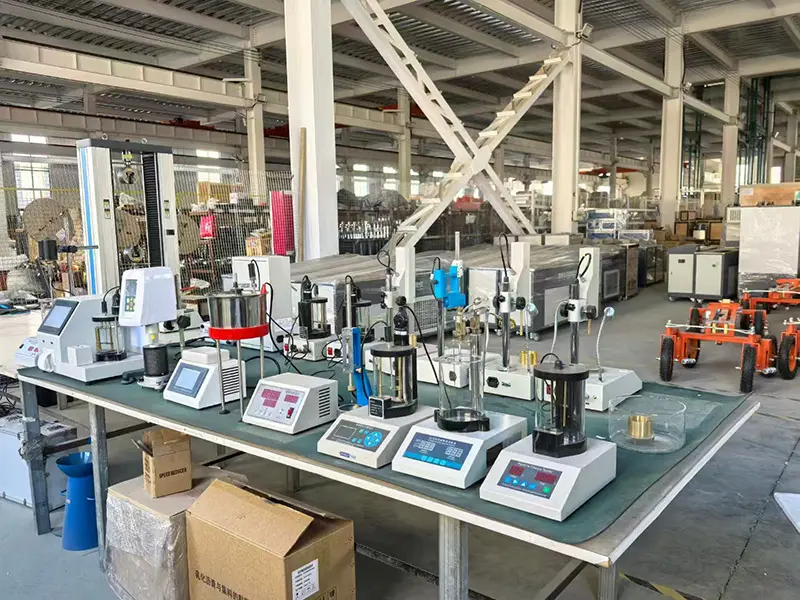
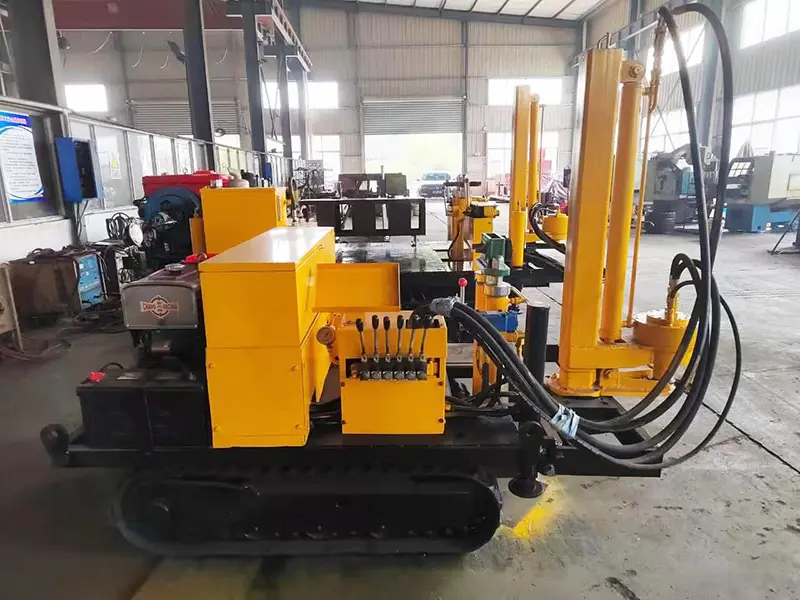
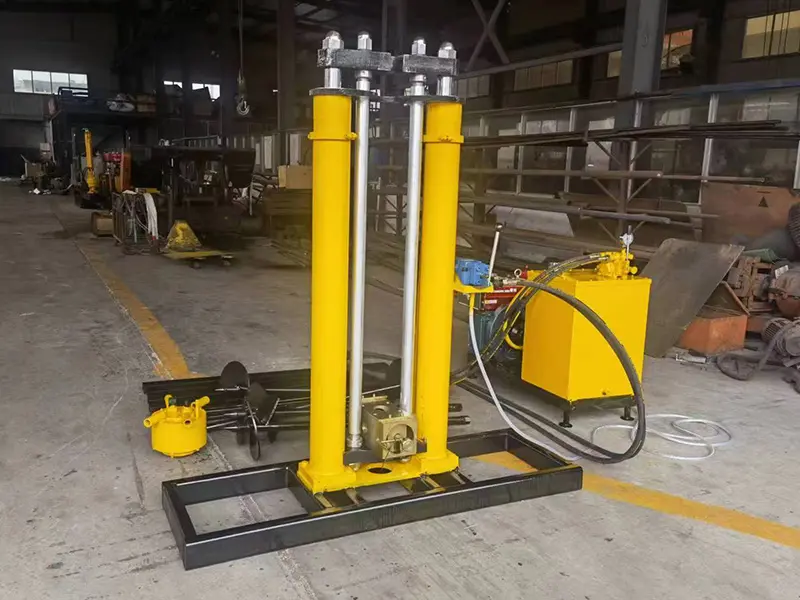
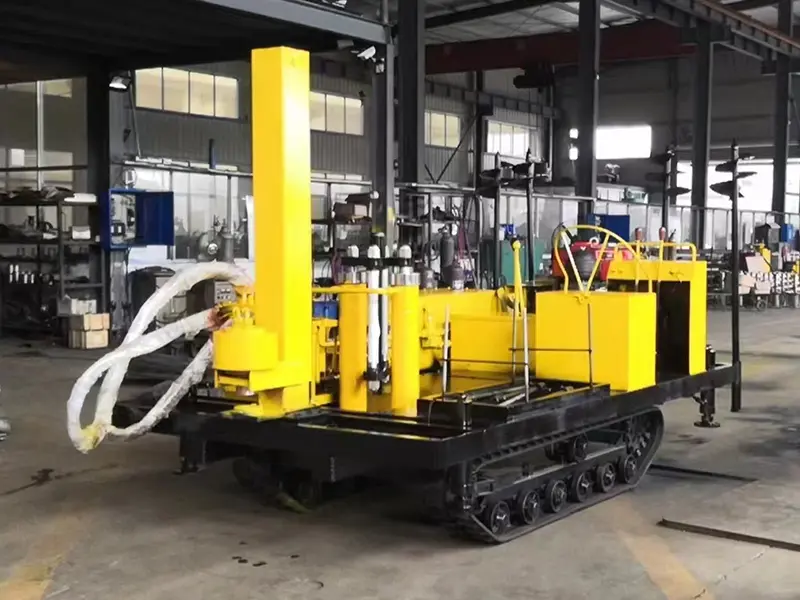
The progression of automated thermal safety and flash point detection technologies.
Traditional gas-fired ignition systems are transitioning to robust electric heaters. Solid-state alloys eliminate gas supply safety hazards, deliver consistent heat flux, and reduce test variations.
Modern flash point systems dynamically correct measurements for ambient atmospheric pressure. Integrated solid-state barometers apply corrections in real time, complying with ASTM D93 requirements.
Modern laboratory instrumentation features native LIMS integration. Users can monitor tests remotely, and automated diagnostic modules streamline troubleshooting via digital protocols.
Important criteria for industrial procurement managers and lab directors when specifying testing apparatus.
Equipment must comply strictly with relevant international standards. Pensky-Martens Closed Cup (e.g., ASTM D93) is required for fuels and heavy lubricants, while Cleveland Open Cup (e.g., ASTM D92) is standard for asphalt, bitumen, and viscous lubricants.
High-throughput testing facilities require advanced cooling to reduce down-time. Systems built with integrated thermo-electric cooling or external chiller manifolds significantly speed up cooling cycles between runs, improving lab productivity.
Automatic Flash Point Apparatus pricing depends on mechanical complexity. Basic systems with manual handling cost less, while fully automated units featuring barometric adjustment, gas/electric ignition, and automatic lid actuators command premium rates.
Our operational values are focused on providing reliable performance and dedicated customer support.
We align closely with updated national, ministerial, and global standards, using a comprehensive testing framework that earns the trust of testing labs worldwide.
We work toward satisfying customer needs, adhering to a spirit of excellence, and fostering cooperation across engineering projects.
We back our machinery with an industry-standard three-guarantee policy, providing long-term technical assistance, calibration guidance, and spare parts supply.
In-depth technical answers addressing common search queries about automated flash point testing.
Closed Cup testing (e.g., Pensky-Martens ASTM D93) seals the sample vapor space. The ignition source is introduced into the cup through a shutter mechanism. This method is preferred for simulating fuel storage and transportation hazards. Open Cup testing (e.g., Cleveland ASTM D92) leaves the sample vapor open to the atmosphere. This method is generally used for heavy lubricating oils and bitumen, measuring both the flash point and the fire point.
Lower ambient barometric pressure lowers the boiling temperature of volatile substances, accelerating vapor generation and causing the flash point to occur at a lower temperature. Under ASTM rules, measured values must be corrected to standard sea-level pressure (101.3 kPa). Modern automatic flash point systems incorporate integrated barometers to make these calculations automatically.
For asphalt binders and highly viscous bitumen materials, ASTM D92 / AASHTO T48 (Cleveland Open Cup) is the standard method. Because asphalt needs to be heated to high temperatures for mixing and paving, measuring the open-cup flash point ensures it does not reach flammable limits during field operations.
Given the fire hazards of testing flammable liquids, automated equipment must include:
1. Built-in fire suppression: Automatically triggers inert gas release if an active fire is detected.
2. Thermal fuses: Shuts down the heating element if temperatures exceed the maximum safe threshold.
3. Overpressure and sensor safety alarms: Notifies operators in case of probe failures or mechanical issues.
Pricing is typically driven by the level of automated features. Dual ignition systems (which switch between gas and electric) cost more than single systems. Other cost-influencing components include automatic lid actuators, integrated cooling systems (Peltier coolers), and LIMS digital connectivity.
Explore the remainder of our high-durability laboratory systems designed for challenging project environments.

 Zealchon Electronic