Explore our state-of-the-art laboratory testing machines developed in partnership with premium engineering institutions.
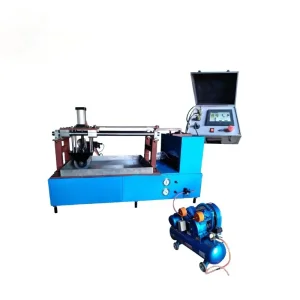
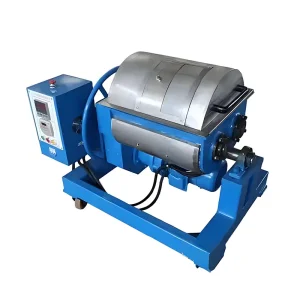
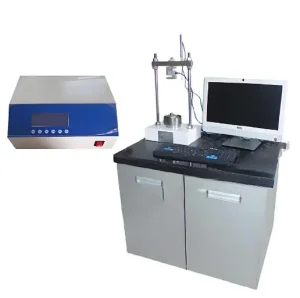
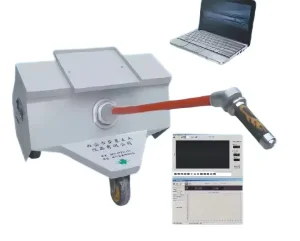
Over 15 Years of Excellence in Civil Engineering & Material Testing Instrumentation
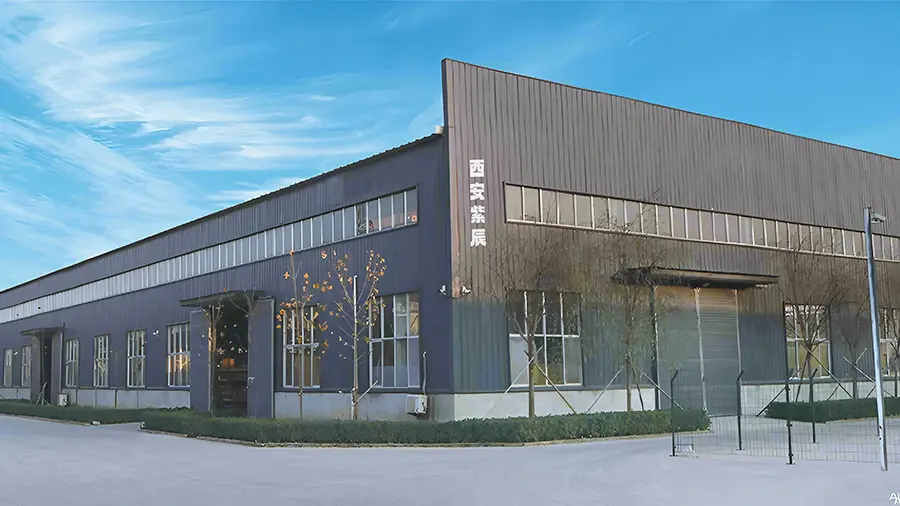
Based in the High-Technology Industry Development Zone of Xi'an—an ancient, culturally rich metropolis in China—our modern facility covers an expansive 7,500 square meters of construction area. We design, manufacture, and distribute elite-tier testing instrumentation for geotechnical analysis, bituminous mixture evaluations, concrete, structural testing, and water conservancy projects worldwide.
Under the direct academic guidance and collaboration of leading researchers from Chang'an University Highway College, the Air Force Engineering University, and the Xi'an University of Technology, we develop core technology instruments that resolve complex material behavior puzzles. Several of our proprietary innovations have filled historical domestic and international gaps in laboratory instrumentation, earning prestigious ministerial and provincial science awards.
Understanding the engineering mechanics, regulatory testing frameworks, and safety guidelines for liquid classifications.
For chemical and civil engineering sectors handling volatile materials, the Open Cup Flash Point Apparatus is an indispensable safety evaluation system. The primary standard governing this measurement is the ASTM D92 (Standard Test Method for Flash and Fire Points by Cleveland Open Cup Tester). This methodology assesses the temperature at which a liquid sample releases enough volatile vapors under specific heat increments to form a temporary flammable mixture with ambient air.
Unlike Closed Cup testing (such as Pensky-Martens or Tag methods), which restricts the escaping vapors within a sealed headspace, the Cleveland Open Cup (COC) system allows the natural diffusion of volatile elements into the surrounding air. Consequently, the flash points recorded using an open cup apparatus are typically higher and represent the behavior of materials exposed to open air conditions—such as asphalt binder storage vats, petroleum tankers, and lubrication tanks.
During ASTM D92 procedures, the sample must be heated initially at a rapid rate of 14°C to 17°C per minute. However, as the temperature approaches the expected flash point (approximately 56°C prior), the rate must be strictly decelerated and regulated to 5°C to 6°C per minute. If the heating rate is too high, it leads to premature localized vaporization and invalid low readings. If it is too slow, light ends can dissipate before the test flame sweep occurs, resulting in falsely high flash points.
Our instruments utilize high-precision microprocessors to programmatically regulate this temperature curve. By automating the mechanical sweep of the test flame across the center of the cup at exact intervals (every 2°C temperature rise), human observation error is eradicated, yielding highly reproducible data.
Years Engineering Experience
Advanced Production Base
ASTM & ISO Compliance
Smart Factory Integration
Bridging traditional thermodynamics with AI-driven, automated sensor diagnostics.
Early iterations relied on variable voltage control knobs and liquid-in-glass thermometers. Technicians manually swept a gas flame over the test cup, which presented reproducibility issues due to variations in sweep speed and visual interpretation.
Our current generation of automatic Cleveland Open Cup apparatus incorporates digital PID temperature profiling alongside integrated barometric pressure sensors. The controller automatically calculates correction offsets according to formula adjustments defined in standard protocols, correcting measurements to standard sea-level pressure (101.3 kPa).
Instead of manual operator observation, our modern systems employ ionization rings or optical light path barriers. When a flash occurs, the electrical ionization value changes instantly, prompting the system to log the temperature in real time and automatically smother the flame with an integrated fire extinguisher lid.
We are actively engineering next-generation testing machines with Ethernet and Wi-Fi modules, enabling laboratory management software (LIMS) to download verification certificates, track raw heating curve trends, and generate diagnostic reports remotely.
Providing reliable material verification systems across diverse high-stakes sectors.
Critical for hot-mix asphalt processing plants. Verifying safety thresholds during mixing, transport, and application prevents industrial combustion events in road-laying operations.
Enables systematic tracking of lubricant quality. Used to monitor thermal degradation or fuel diluent contamination in complex rotating machinery, gearboxes, and gas turbines.
Aids chemical logistics groups and regulatory bodies in verifying the flash point of waste liquids, ensuring compliance with international maritime and air cargo shipping laws.
High-precision processing centers delivering industrial scalability and custom OEM flexibility.
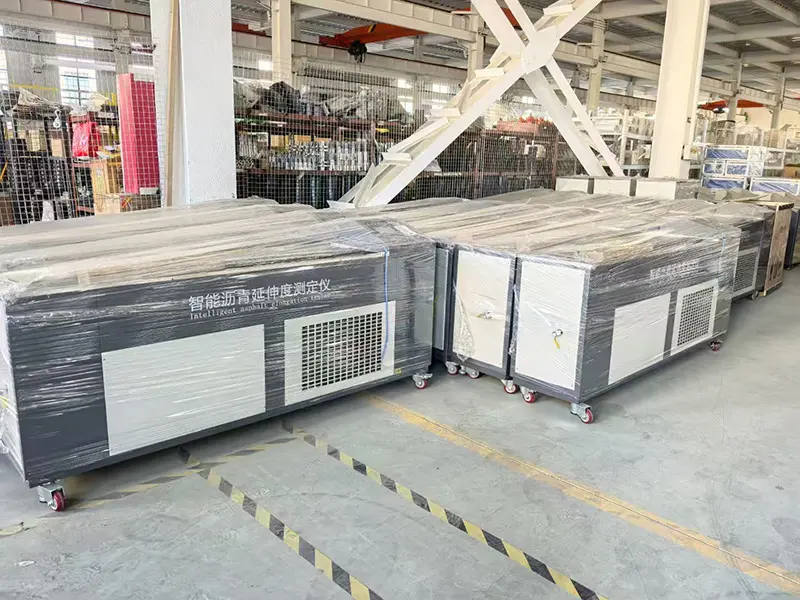
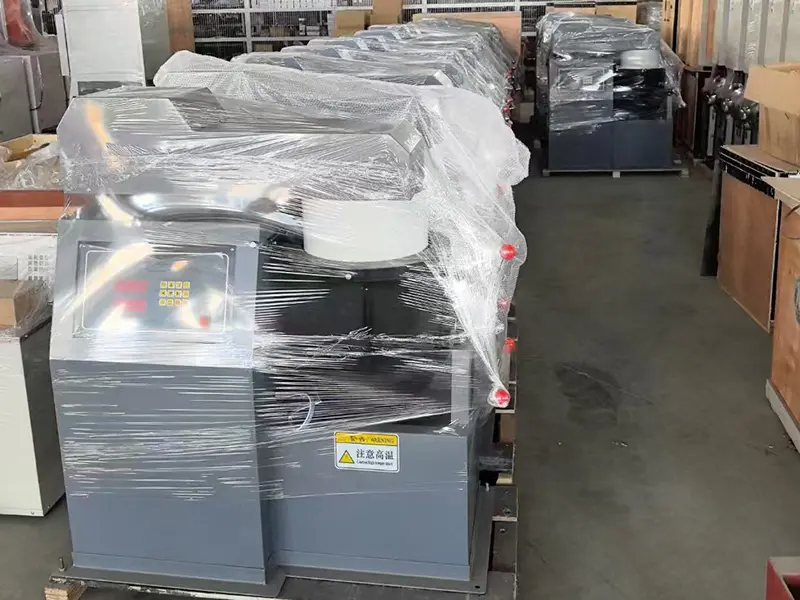
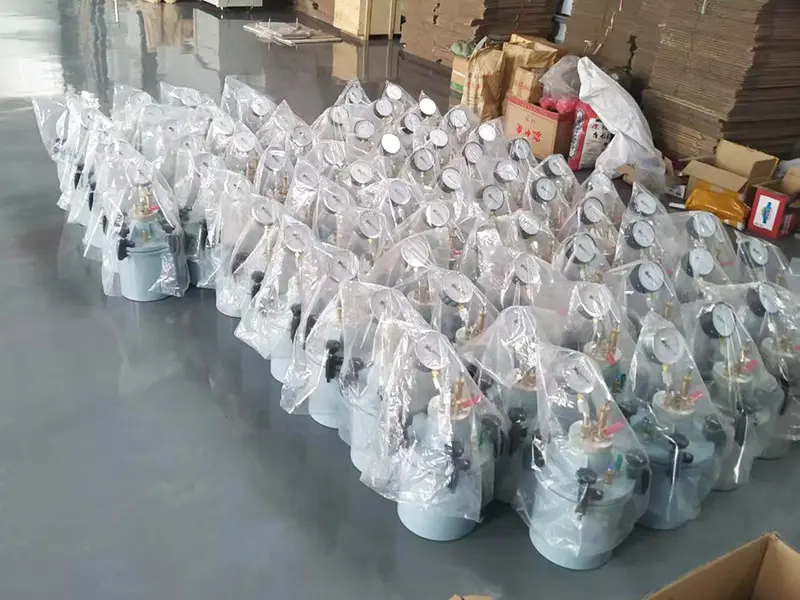
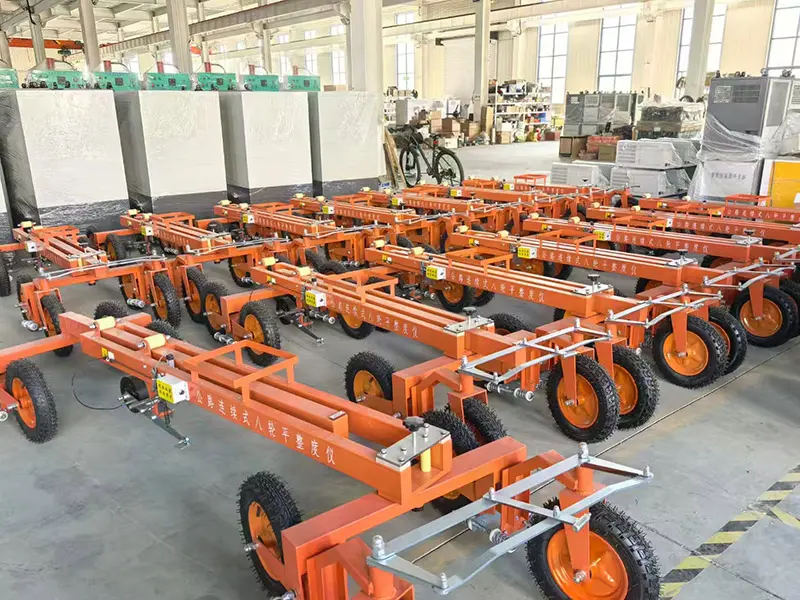
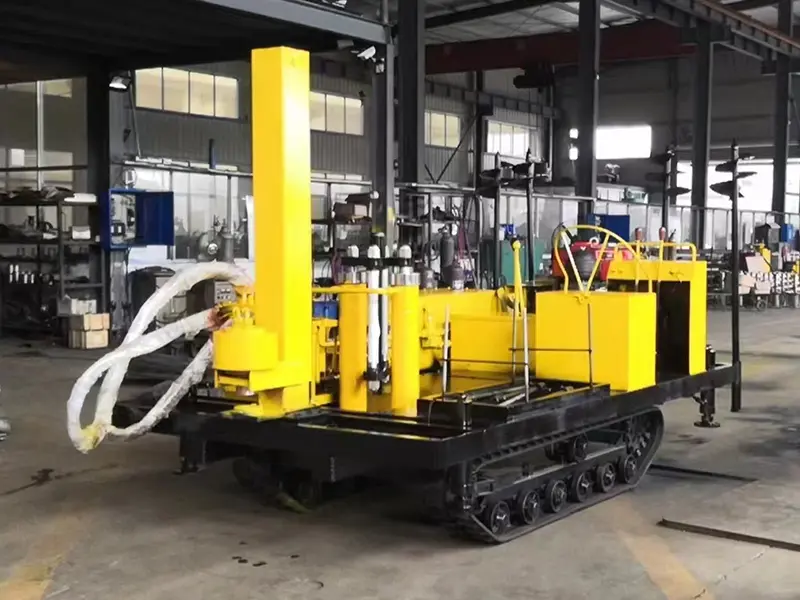
Our production facilities are equipped with state-of-the-art machining centers, CNC lathes, heavy milling machines, planers, grinders, shearing systems, bending machines, and high-performance argon arc welders. This extensive machinery allows us to maintain total control over mechanical tolerances and quality metrics throughout the assembly process.
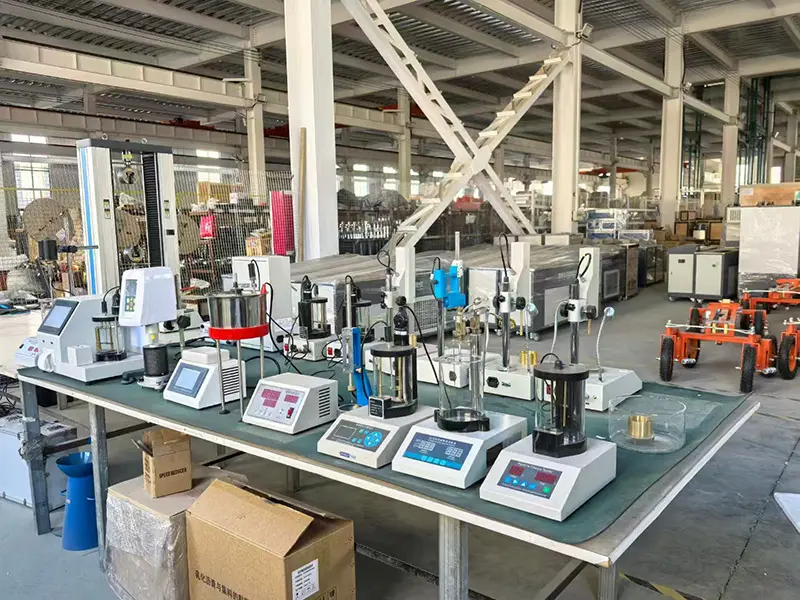
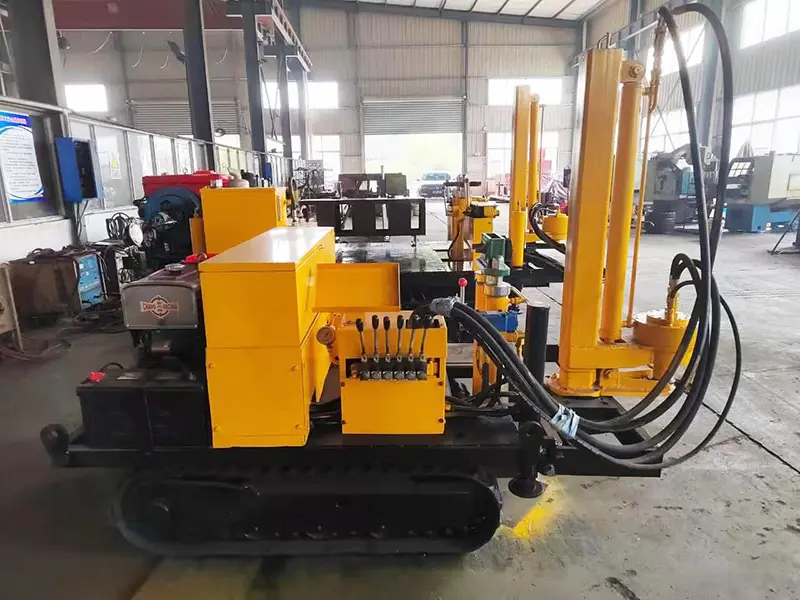
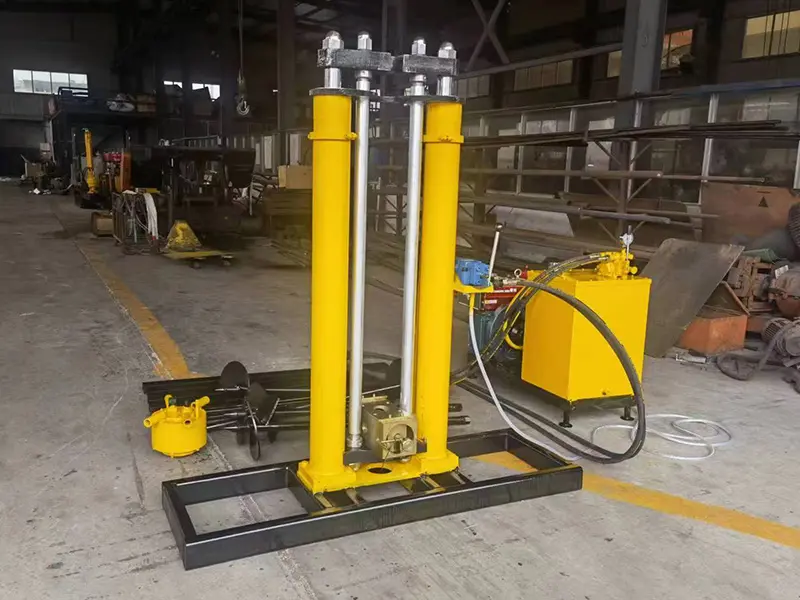
Streamlining validation workflows for international buyers, testing laboratories, and EPC contractors.
We align our operations with national, ministerial, and industrial testing guidelines. Through rigorous internal standards, our products have gained the trust of government testing labs, commercial inspecting groups, and engineering universities worldwide.
Our technical support, marketing, and software maintenance teams are based in China. We offer seamless remote diagnostics, video installation walkthroughs, and responsive firmware updates.
We provide a comprehensive warranty program, a reliable supply of replacement parts, and dedicated customer support. This is part of our commitment to craftsmanship and product reliability.
Resolving core engineering concerns for laboratory managers and international buyers.
Open Cup (ASTM D92) allows volatile vapors to freely diffuse into the ambient air, simulating open containers, process pools, and storage tanks. This method is typically used for lubricating oils, heavy fuels, and bitumen. Closed Cup (ASTM D93, D56) keeps the vapors enclosed, preventing diffusion. It simulates fuel systems, storage tanks, and pipelines, and generally yields a lower flash point due to the higher vapor concentration.
Lower atmospheric pressure at higher altitudes reduces the boiling point and vapor pressure thresholds of liquids, causing them to flash at lower temperatures. Our automatic flash point testers include a built-in barometric pressure sensor that automatically adjusts results using the formula: Corrected Flash Point = C + 0.25 (101.3 - p), where p represents the ambient pressure in kPa.
Our standard units operate on 220V 50Hz, with custom 110V 60Hz systems available for international markets. Safety features include dual thermocouple sensors, an automatic gas supply shut-off mechanism, and an integrated flame smothering cover to extinguish fires instantly upon flash point detection.
We follow ISO, ASTM, AASHTO, and DIN quality standards. Our R&D team works closely with Shaanxi university departments to verify the accuracy of our equipment against certified reference materials, ensuring compliance with global testing protocols.
High-durability testing systems engineered for demanding industrial workloads.
 Zealchon Electronic